Why veterinary hardware costs are climbing, and five ways to get ahead of it
You go to reorder the same workstation you bought last year. The quote comes back noticeably higher than it did a year ago.
Your rep didn’t make a mistake. Hardware costs are climbing across much of the technology industry, and the increases are steep enough that practices are starting to notice them in their budgets.
Here’s what’s driving it, and five ways to protect your practice’s bottom line while it plays out.
Why hardware costs are rising
AI data centers require significantly more memory and storage capacity than traditional computing environments. Every AI data center runs on massive quantities of memory chips (DRAM) and storage (NAND), the same components inside your practice's workstations, servers, and tablets. As technology companies expand AI infrastructure, memory manufacturers have increasingly prioritized products used in AI servers, reducing supply available for conventional PC memory. Industry analysts report that this shift has tightened memory supply and increased pricing pressure across PC and related hardware markets.1,3
The numbers tell the story. TrendForce reported that conventional DRAM contract prices increased approximately 90% to 95% quarter over quarter during the first quarter of 2026 and projected a further 58% to 63% increase in the second quarter. TrendForce also forecast NAND Flash contract-price increases of 70% to 75% quarter over quarter as demand from AI and data center deployments continues to tighten supply.3,4
This isn't expected to resolve quickly, either. IDC expects memory supply challenges to persist throughout 2026 and likely well into 2027. TrendForce has also reported that meaningful new memory-production capacity may not arrive until late 2027 or 2028.2,4
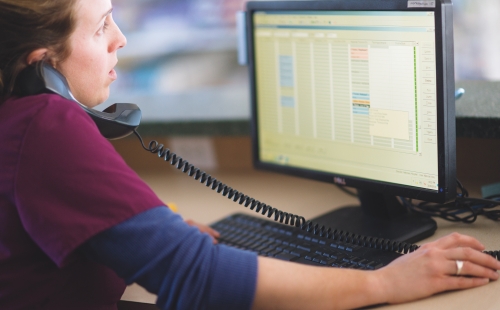
For veterinary practices, this matters even if you’ve already moved your practice management software to the cloud. Cloud software still runs on the workstations, tablets, and peripherals in your clinic, and that hardware still needs to be bought, maintained, and eventually replaced.
Five possible ways to combat rising hardware costs
Take stock before you shop.
Before adding anything to a cart, take stock what you have and how much life is left in it. A workstation that’s slow for one task might be perfectly fine for another. Redistributing existing hardware to lower-demand roles (a front-desk terminal moving to a back-office task, for example) can delay a purchase without affecting patient care.
Right-size your specs.
Memory and storage are the components getting hit hardest by the shortage, which means the premium for “extra” capacity is larger right now than it’s been in years. When you’re buying hardware, consider what your workflow needs today rather than padding specs for hypothetical future use. A practice management partner who knows veterinary workflows can help you tell the difference between a spec that matters and one that’s just driving up your quote.
Consolidate your purchases.
Ordering five workstations across five separate purchases over the year usually costs more than ordering all five at once, both in unit price and in the time your team spends managing the process. If you know a refresh is coming, batching it into a single order locks in pricing and cuts down on repeat administrative work.
Spread the cost instead of delaying the decision.
With prices still climbing, waiting for a better deal is a risk in itself. Financing options can let you spread the cost of a purchase over time instead of paying the full amount up front, which is often more manageable for practices equipping a new location or refreshing several workstations at once.
Loop in your hardware partner before you buy.
The fastest way to overspend on hardware is to buy the wrong thing and have to replace it sooner than planned. A quick consultation with a partner who understands veterinary practice workflows, not just general IT, can help you land on the right setup the first time, instead of guessing your way through a big-box retailer’s aisle. It's also worth asking what discounts you may already qualify for. Many practices don’t realize they’re eligible for one.
The bottom line
Hardware prices are unlikely to ease in the near term, but a little planning goes a long way. Industry forecasts continue to point to supply constraints and pricing pressure across the hardware market as AI infrastructure demand competes for memory capacity.2,4 Auditing your current hardware, buying only what you need, timing purchases strategically, and working with a partner who understands veterinary practices can all help offset increases you can’t control.
Not sure where your practice stands?
Book a hardware consultation and IDEXX’s hardware team will review your current setup, walk you through available discounts, and help you plan your next purchase around today’s pricing.
Sources:
1. IDC. Global Memory Shortage Crisis: Market Analysis and the Potential Impact on the Smartphone and PC Markets in 2026. December 18, 2025.
2. IDC. Memory Shortage Crisis Hits PCs and Smartphones. February 26, 2026.
3. TrendForce. Memory Price Outlook for 1Q26 Sharply Upgraded; QoQ Increases of All Product Categories to Hit Record Highs. February 2, 2026.
4. TrendForce. AI Server Demand to Drive Memory Contract Price Increases in 2Q26 as CSPs Secure Supply via Long-Term Agreements. March 31, 2026.